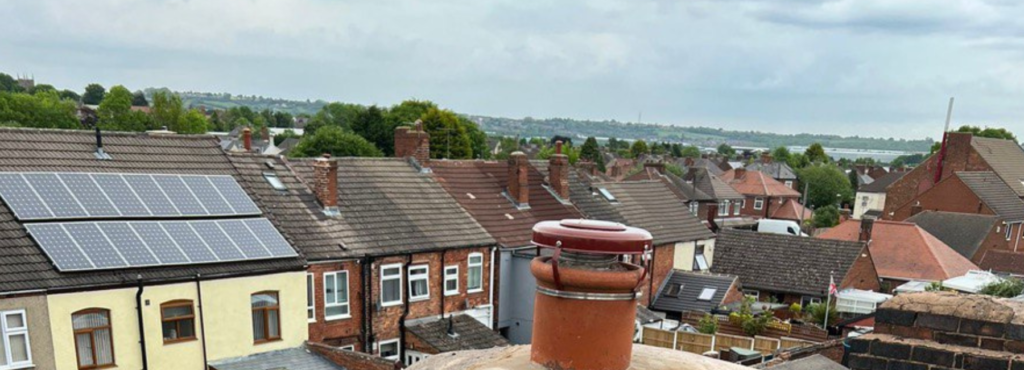
A roof leak can begin as a small problem but develop into more serious damage if it is not identified and addressed promptly. Even a minor water stain on a ceiling may indicate that moisture is entering through damaged roofing materials, worn components or a vulnerable roof junction. Recognising the early warning signs can help homeowners take action before the problem affects larger areas of the property.
Roof leaks are not always easy to locate because water can travel along roof timbers, insulation and other internal surfaces before becoming visible. Understanding the common causes and knowing what to look for can make it easier to arrange the right repair. For property owners in Amesbury, Wiltshire, regular roof checks and timely professional attention can help maintain a reliable roofing system.
Damaged or Slipped Roof Tiles
Broken, cracked or displaced roof tiles are among the common causes of water ingress. Tiles can become loose through ageing, weather exposure or impact from falling branches and debris. Once a tile moves out of position, the protective covering may no longer prevent rainwater from reaching the layers beneath.
Early warning signs include visible gaps in the roof covering, uneven tile lines and pieces of broken tile around the property. Inside, damp patches may appear on ceilings or upper walls, particularly after periods of heavy rainfall.
A professional inspection can establish whether individual tiles need replacing or whether the surrounding roof area has also been affected.
Deteriorating Roof Flashing
Roof flashing provides protection around vulnerable junctions, including chimneys, roof valleys, skylights and adjoining walls. It directs water away from these areas and helps prevent it from entering beneath the roofing materials.
Over time, flashing can deteriorate, become loose or develop gaps where it meets surrounding surfaces. Cracked sealant, lifted metal sections and damaged mortar around chimney junctions may indicate that water could be getting through.
Leaks caused by flashing defects can be difficult to trace because moisture may travel some distance before appearing indoors. If dampness develops around a chimney breast, ceiling junction or roof window, the flashing should be considered as a possible source.
Blocked or Damaged Gutters
Gutters play an important role in directing rainwater away from the roof and property. When they become blocked with leaves, moss and other debris, water may overflow or collect near the roofline.
Persistent overflowing can allow moisture to affect fascia boards, soffits and adjoining masonry. Cracks, loose joints or poorly aligned gutter sections can create additional problems by allowing water to escape where it should not.
Homeowners may notice water spilling over gutter edges during rainfall, staining on exterior walls or dampness around the eaves. Keeping gutters clear and ensuring that rainwater can flow freely helps reduce the risk of water-related damage.
Worn or Damaged Flat Roofing
Flat roofs rely on a continuous waterproof covering to protect the structure beneath. However, prolonged exposure to sunlight, rainfall and temperature changes can cause roofing membranes or felt coverings to deteriorate.
Common warning signs include blistering, cracks, splits, lifting edges and areas where water remains standing long after rainfall. Damaged joints and poorly sealed roof penetrations can also create entry points for moisture.
Inside the property, a flat roof leak may appear as a ceiling stain, peeling paint or damp patches near the top of an external wall. Early inspection is important because water can spread beneath the covering before the damage becomes obvious.
Damaged Roof Valleys and Poor Water Drainage
Roof valleys are the internal angles where two roof slopes meet. They carry rainwater towards the gutters, so any damage in these areas can create a direct route for moisture to enter the roof structure.
Debris accumulation, deteriorated valley materials and displaced tiles can interfere with water flow. If water cannot drain properly, it may collect around vulnerable joints and find its way beneath the roof covering.
Signs of a possible valley problem include dampness in the loft, staining near the roofline and visible debris collecting in the valley. These areas should be checked carefully by a roofing professional rather than accessed without suitable equipment.
Recognising the Early Signs of a Roof Leak
Roof leaks do not always appear as dripping water. In many cases, the first signs are subtle and may become more noticeable after rainfall.
Look out for:
- Brown or yellow marks spreading across ceilings.
- Peeling paint or bubbling plaster near the upper walls.
- A musty smell in loft spaces or upstairs rooms.
- Damp insulation or visible moisture on roof timbers.
- Dripping water or unexplained damp patches after rain.
- Daylight visible through gaps in the roof covering when safely viewed from inside the loft.
If any of these signs appear, it is important not to assume that the visible damp patch marks the exact location of the leak. A professional inspection can help trace the source and determine the extent of the problem.
Why Prompt Roof Repairs Matter
Leaving a roof leak unresolved can allow moisture to affect insulation, timber components, ceilings and internal finishes. Continued dampness may also encourage mould growth and make the affected area more difficult to restore.
Prompt repairs help address the source of water ingress before further deterioration occurs. The correct solution depends on the cause, whether that involves replacing damaged tiles, repairing flashing, restoring a flat roof covering or resolving drainage problems.
For properties in Amesbury, Wiltshire, arranging professional attention when the first warning signs appear can help protect the roof and maintain the condition of the building.
Conclusion
Roof leaks can develop for several reasons, from damaged tiles and deteriorating flashing to blocked gutters and worn flat roofing materials. Identifying early warning signs such as ceiling stains, damp smells and visible roof defects can help prevent a minor issue from becoming more extensive.
If you suspect a roof leak at your property, MCM Roofing Repairs Amesbury can help identify the source and carry out appropriate roof repairs. Contact the team to discuss your roofing concerns and arrange a professional inspection in Amesbury, Wiltshire.
Call us on: 01980 880 394
Click here to find out more about MCM Roofing Repairs Amesbury
Click here to complete our contact form and see how we can help with your roofing needs.